PoE vs Non-PoE Switches: Which Does Your Network Actually Need?
What PoE Actually Does
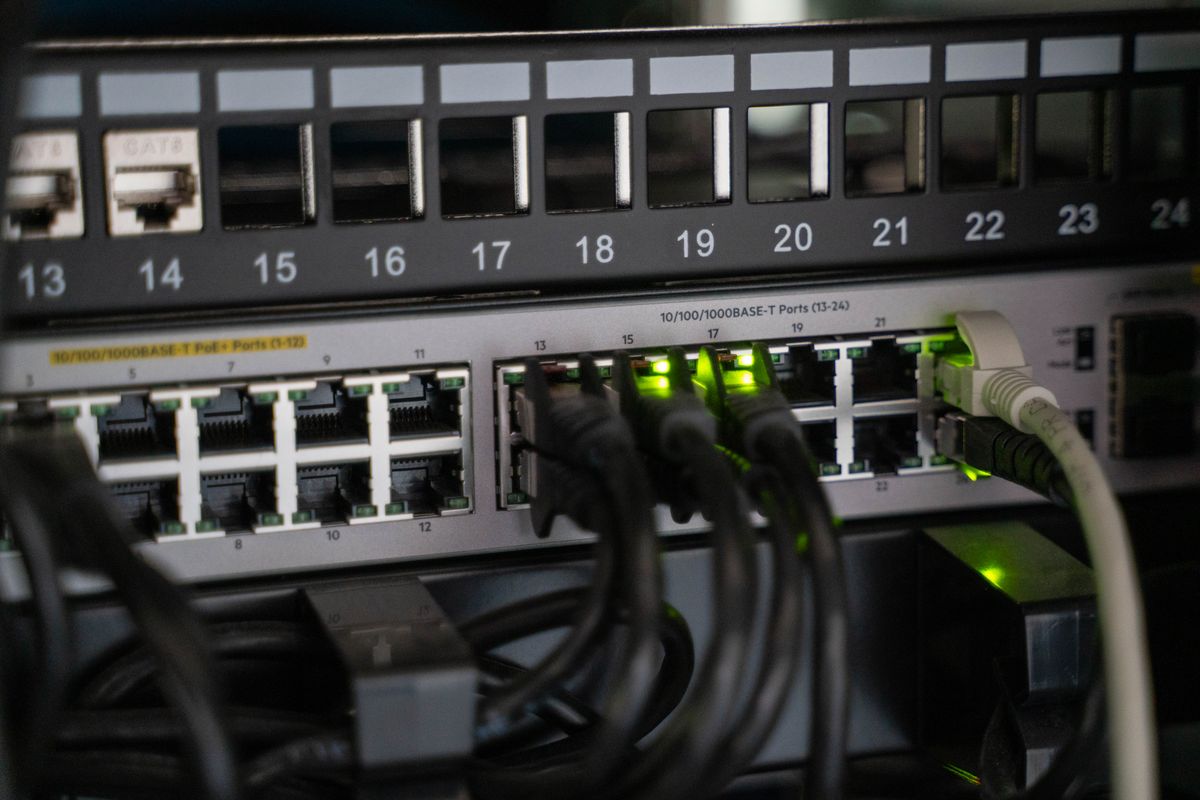
Power over Ethernet (PoE) delivers electrical power and data over the same Cat5e/Cat6 cable, so a device like an IP camera, access point or VoIP phone doesn't need a separate power adapter or electrical socket nearby. The switch itself supplies the power.
Where PoE Pays for Itself
The upfront cost of a PoE switch is meaningfully higher than a non-PoE equivalent, but it often pays back quickly on installation cost alone:
- CCTV camera deployments — no electrician needed at every camera point
- Wi-Fi access points mounted on ceilings, away from power sockets
- VoIP desk phones — one cable instead of a network cable plus a power brick
- Access control door readers and IP intercoms
When Non-PoE Switches Are the Smarter Buy
If your switch is only connecting desktops, printers and laptops — devices that already have their own power supply — a non-PoE managed or unmanaged switch is the more cost-effective choice. There's no benefit paying extra for PoE ports that will never power anything.
PoE vs PoE+ vs PoE++: Check Your Device Wattage
Not all PoE is equal. Standard PoE delivers up to 15.4W per port — enough for basic IP cameras and access points. PoE+ delivers up to 30W, needed for PTZ cameras and higher-powered access points. Before ordering a switch, check the wattage requirement of every device you plan to connect, and choose a switch class that covers your highest-draw device with some margin.
Sizing Your Switch for the Whole Budget, Not Just the Port Count
A common mistake is buying a switch based only on the number of ports needed, without checking its total PoE power budget. An 8-port PoE+ switch might advertise 30W per port but only supply 120W total — meaning not all 8 ports can run at full power simultaneously. We help our clients calculate total wattage needs before finalising a switch model, so there are no surprises after installation.
Planning a PoE rollout for CCTV, access points or IP phones?